
From late 2025 to early 2026, the price of G.657A2 bare fibre increased a lot. It’s not short-term changes, but ongoing volatility at a high level. Lots of customers are asking: Why is it rising so fast? Will it come down?
The main reason for the increase in fibre optic prices is a balance of supply and demand and what the market is expecting.
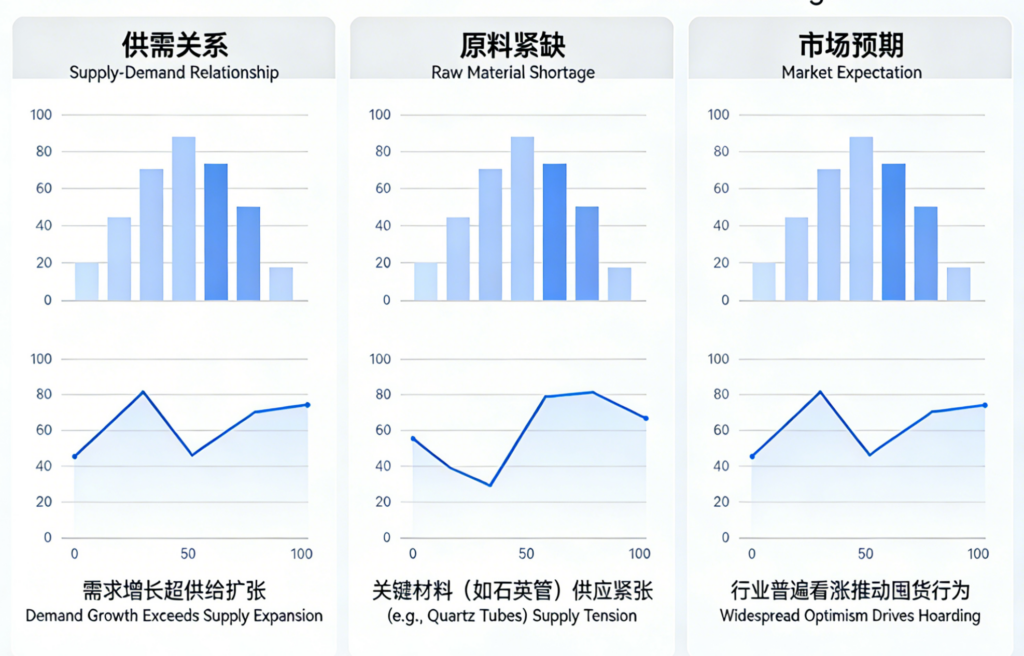
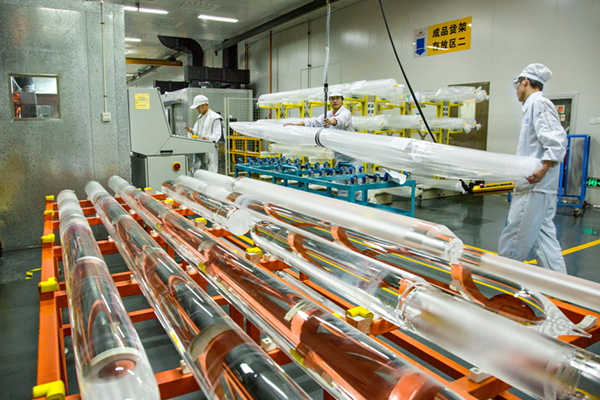
Lack of raw materials.
The key to understanding fibre optic pricing is preforms. These are the special glass raw materials used to manufacture optical fibres.
Making more preformed rods takes a long time and a lot of money. It can take a long time to get manufacturing equipment ready to use. When there is not enough raw material, there is more pressure on the wire drawing process.
For types like G.657A2, which require high bending performance, there may be times when production cannot meet demand.
Growing Demand in Both Old and New Markets
Well-known Market:
- Data center builds, FTTH upgrades, and 5G network expansion continue to drive steady demand for single-mode fiber.
Emerging Market:
- Optical fiber use in unmanned systems is rising, and AI is becoming an important application.
- Geopolitical changes have also led to a higher demand for drones that use G657A2 fibre, especially in the field of fibre-guided drones.
Overall, demand is growing, particularly in these specialized areas.
Market Expectations Amplify Price Fluctuations
As well as supply and demand, what people expect to happen also affects prices.
When prices are expected to rise, downstream buyers place orders early and traders stock up. This sudden increase in demand can lead to more people buying, which can make prices go up and down even more.
Will Prices Fall Soon?
In the past, the optical fibre market has followed a cycle. In the short term, if the supply of raw materials doesn’t improve and demand stays the same or gets higher, prices will probably stay high.
How Buyers Can Respond
Buyers should monitor market trends and compare prices, specifications and quality across multiple suppliers to find the best option. Be cautious of unusually low prices and consider delivery capabilities and after-sales support to reduce procurement risks.