
In today’s era of rapid drone (UAV) development, the reliability and security of communication links often determine the success or failure of a mission. Especially in high-interference environments and high-risk missions, traditional wireless communication faces significant challenges: it is easily interfered with and easily detected. The Drone Fiber Optic Canister, however, is leading a communication revolution in a completely different way.
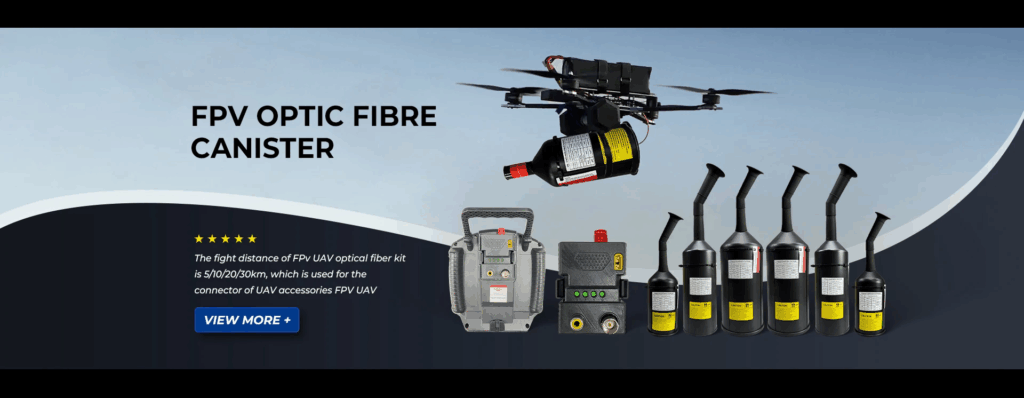
I. What exactly is a Fiber Optic Canister?
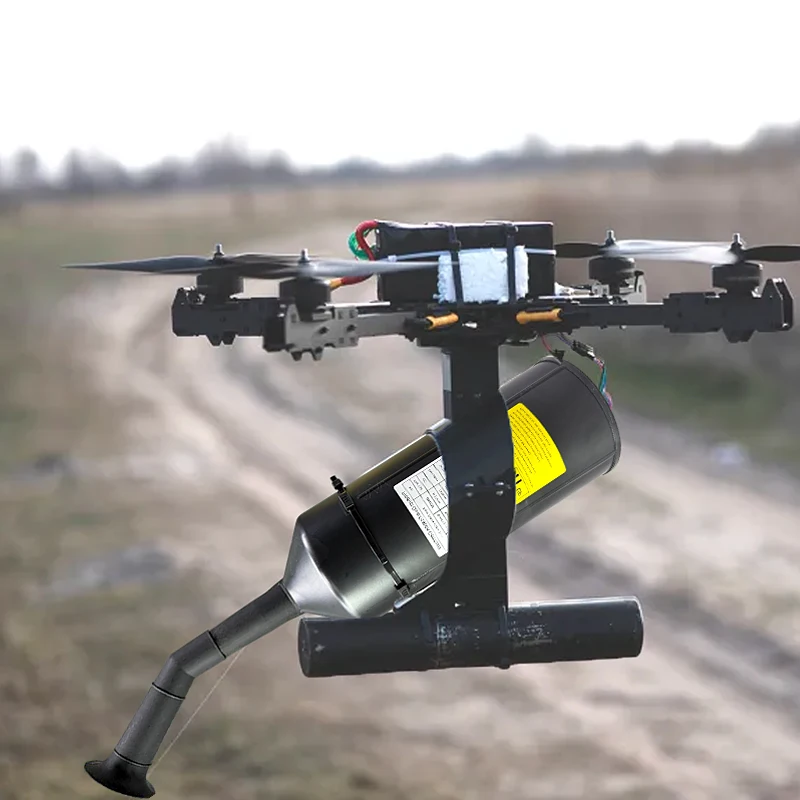
A “fiber optic canister” is a drone-mounted device integrating a fiber optic reel, establishing a physical connection by releasing fiber optic cable to the ground during flight. Compared to wireless links, it has two highly attractive advantages:
Extremely strong anti-interference capability: Because communication is conducted through fiber optics, it is virtually unaffected by radio frequency interference.
High concealment and strong security: There is no radio frequency signal transmission, making it extremely difficult for opponents to detect, interfere with, or hijack.
These characteristics make the fiber optic canister a very compelling option in certain fields. For example, NovaLynx’s system emphasizes its “interference-free + plug-and-play” communication capabilities.
Why does CFOFC have an opportunity at this turning point?
As a professional optical fiber box manufacturer, CFOFC possesses a complete set of high-standard production processes, ranging from injection molds, precision molding, integrated modules to quality testing.
The company’s JR Slot plug-in all-optical module is specially designed for FPV fiber optic systems, featuring stable signal reception, low loss, and easy integration.
When paired with drones, CFOFC’s solution not only enhances communication performance but also facilitates the commercial expansion of the product in multiple niche markets such as agriculture, industry, and public safety.